Nomadic Tribes and the Integration of Health, Wellness, and Traditional Ecological Knowledge in India
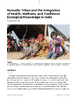
This paper examines the intersection of health, wellness, and traditional ecological knowledge (TEK) among nomadic and denotified tribes in India through a critical ethnographic and feminist lens. Drawing on fieldwork conducted with the Raika, Van Gujjar, and Sansi communities, the study highlights how these groups sustain culturally rooted health systems that are deeply embedded in ecological relationships, seasonal rhythms, and gendered knowledge transmission. Despite possessing rich medicinal and healing traditions, these communities remain excluded from formal healthcare due to historical criminalization, legal invisibility, and policy designs that favor sedentary populations.
The research underscores the need for pluralistic, mobile, and culturally respectful health models that integrate traditional healers, recognize women’s roles as health custodians, and protect indigenous knowledge through legal and institutional frameworks. Through thematic analysis, the study proposes a reimagining of public health in India—one that is inclusive, decolonial, and responsive to the lived realities of nomadic peoples. The findings advocate for policy transformation rooted in participatory governance, ecological justice, and epistemic plurality.
Keywords: Nomadic Tribes, Traditional Ecological Knowledge (TEK), Indigenous Health Systems, Feminist Ethnography, Denotified Tribes, Medical Pluralism, Public Health Policy, Epistemic Justice, Gender and Healing, Community Health Integration